
Contents
- ✨ What is a Pilates Reformer?
- 💪 Who is the Reformer For?
- 📍 Finding Reformer Classes in LA
- 💰 Pricing & Packages for Reformer Sessions
- ⭐ What to Expect in Your First Reformer Class
- 🤔 Reformer vs. Mat Pilates: What's the Difference?
- 💡 Tips for Your Reformer Practice
- 🚀 Getting Started with Reformer Pilates
- Frequently Asked Questions
- Related Topics
Overview
The Pilates Reformer is arguably the most iconic piece of Pilates apparatus, designed by Joseph Pilates himself. It's a bed-like frame with a sliding carriage, springs, straps, and a bar, all working together to provide variable resistance. This resistance can be used to both support and challenge your body, making it incredibly versatile for building strength, flexibility, and core stability. Unlike mat work, the Reformer allows for a wider range of motion and can target specific muscle groups with precision, offering a unique full-body workout that's both intense and adaptable. It’s a cornerstone of the Pilates experience for many practitioners in Los Angeles.
💪 Who is the Reformer For?
The beauty of the Reformer lies in its adaptability, making it suitable for a broad spectrum of individuals. Beginners can benefit from the support the Reformer offers, helping them to learn proper form and build foundational strength. Athletes and fitness enthusiasts can use the increased resistance to deepen their workouts and challenge their limits. It's also highly recommended for rehabilitation and injury recovery, as it allows for controlled movements and can be modified to accommodate physical limitations. Whether you're looking to improve posture, increase athletic performance, or simply move with greater ease, the Reformer can be a powerful tool.
📍 Finding Reformer Classes in LA
Discovering the right place to experience Reformer Pilates in Los Angeles is key. Numerous boutique studios and larger fitness centers across the city offer dedicated Reformer classes. From Santa Monica to Downtown LA, you'll find options ranging from intimate, specialized studios focusing solely on Pilates to larger gyms that incorporate Reformer sessions into their group fitness schedules. Many studios offer introductory packages for new clients, making it easier to explore different environments and instructors before committing to a regular schedule. Check out our directory for a comprehensive list of studios near you.
💰 Pricing & Packages for Reformer Sessions
The cost of Reformer Pilates classes in Los Angeles can vary significantly based on the studio's location, reputation, and the type of session. Expect to pay anywhere from $25 to $50+ for a single drop-in class. Many studios offer package deals or monthly memberships that provide better value for consistent practitioners. Introductory offers for new clients are common and highly recommended for trying out a few different studios. Small group reformer classes are generally more affordable than private one-on-one sessions, which can range from $75 to $150 or more per session, offering personalized attention and tailored workouts.
⭐ What to Expect in Your First Reformer Class
Your first Reformer class is an exciting step into a more dynamic form of Pilates. You'll typically start with a brief orientation to the Reformer machine and its components. The instructor will guide you through fundamental exercises, focusing on proper alignment, breath control, and engaging your core. Don't worry if you feel a bit clumsy at first; it's a learning process! Wear comfortable, form-fitting clothing that allows for a full range of motion, and bring a water bottle. Most studios provide all necessary equipment, including the Reformer, mats, and props. The focus will be on controlled movements and understanding how the springs affect your body.
🤔 Reformer vs. Mat Pilates: What's the Difference?
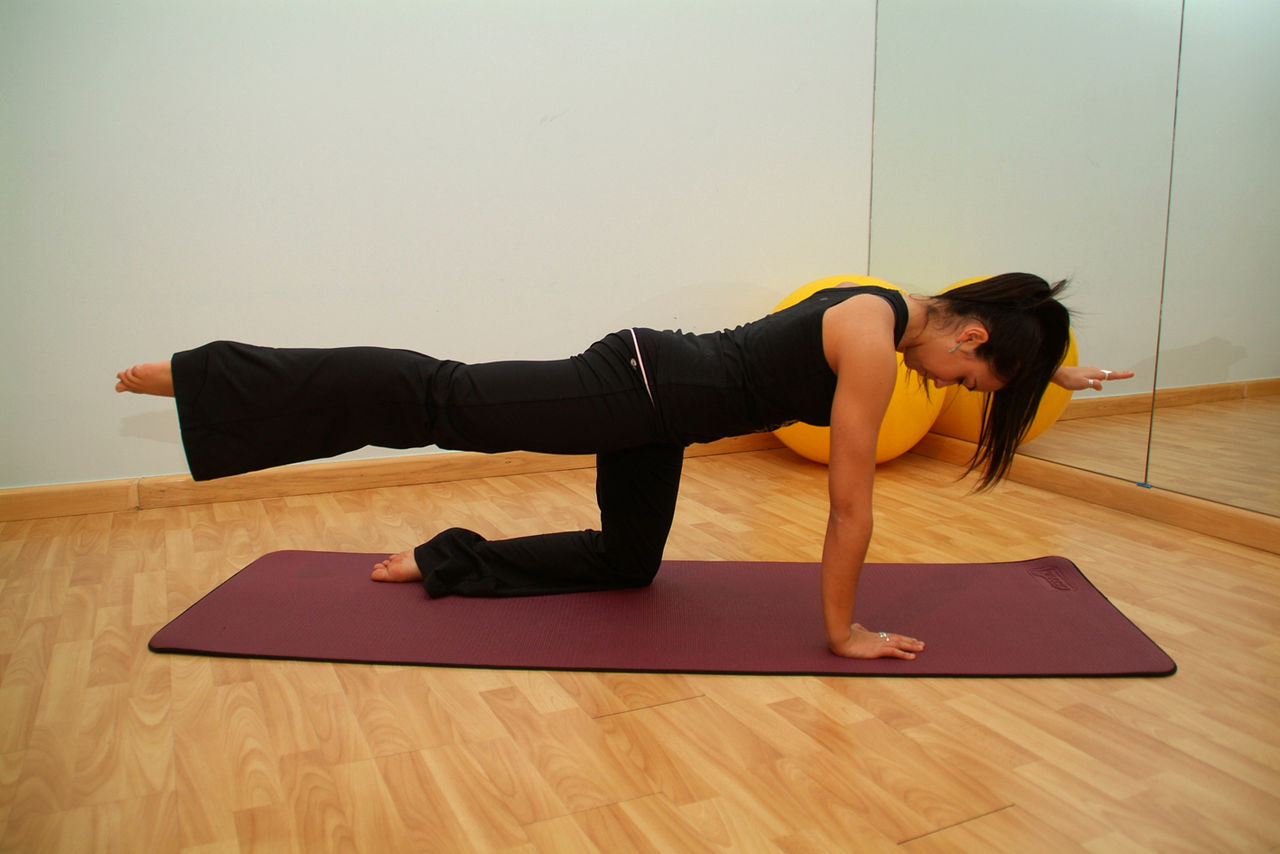
While both Mat Pilates and Reformer Pilates stem from Joseph Pilates' original teachings, they offer distinct experiences. Mat Pilates relies on bodyweight and gravity, often incorporating props like resistance bands or small weights to enhance the exercises. It's highly portable and can be done almost anywhere. The Reformer, on the other hand, uses a spring-based resistance system built into a machine. This allows for a wider variety of exercises, greater support for certain movements, and the ability to work against resistance in both pushing and pulling directions, often leading to a more intense and targeted workout. Many practitioners find value in incorporating both into their routine.
💡 Tips for Your Reformer Practice
To get the most out of your Reformer Pilates practice, consider these practical tips. Always communicate with your instructor about any physical limitations or injuries you may have; they can offer modifications. Focus on the quality of your movement over quantity – slow, controlled repetitions are more effective than rushed ones. Pay close attention to your breath; it's integral to the Pilates method and helps deepen your core engagement. Don't be afraid to ask questions! Understanding the 'why' behind each exercise will enhance your mind-body connection. Consistency is key, so aim for regular sessions to see the best results in your physical conditioning.
🚀 Getting Started with Reformer Pilates
Ready to experience the transformative power of the Pilates Reformer? Start by exploring the directory of Pilates studios in Los Angeles. Look for studios that offer introductory specials or beginner Reformer classes. Many studios allow you to book classes online through their website or dedicated apps. If you're new to Pilates, consider booking a private session first to get personalized instruction on the Reformer before joining a group class. This will help you build confidence and ensure you're performing the exercises safely and effectively. Your journey to a stronger, more aligned body begins with that first step onto the Reformer.
Key Facts
- Year
- 1920
- Origin
- Joseph Pilates' original design
- Category
- Resources
- Type
- Resource
Frequently Asked Questions
Do I need to be strong to use a Reformer?
Not at all! The Reformer is designed to be adaptable. Its spring system can provide assistance, making exercises easier for beginners or those recovering from injury. As you get stronger, the springs can be adjusted to provide more resistance, increasing the challenge. The goal is progressive strengthening, not starting at an advanced level.
What should I wear to a Reformer class?
Comfortable, form-fitting athletic wear is ideal. Think leggings or fitted shorts and a top that won't ride up. You'll want to be able to move freely without your clothes getting in the way. Most people wear socks, often grippy socks, for better traction and hygiene, but check with your specific studio.
How many Reformer classes should I take per week?
For optimal results, most people benefit from 2-3 Reformer sessions per week. Consistency is more important than intensity. If you're new, starting with 1-2 classes a week allows your body to adapt. Listening to your body and consulting with your instructor about your frequency is always recommended.
Can Reformer Pilates help with back pain?
Yes, Reformer Pilates is often highly effective for managing and alleviating back pain. The focus on core strengthening, improved posture, and controlled movements helps to stabilize the spine and decompress the back. Many physical therapists recommend it as part of a rehabilitation program.
What's the difference between a private and a group Reformer class?
In a private session, you have the instructor's full attention, allowing for highly personalized exercises tailored to your specific goals and needs. Group classes, typically 3-6 people per Reformer, are more affordable and offer a social dynamic, but the instruction is more generalized. Both have their benefits, and many people do a mix of both.
Are Reformer classes suitable for pregnant individuals?
Yes, with modifications, Reformer Pilates can be very beneficial during pregnancy for maintaining strength, flexibility, and core support. However, it's crucial to inform your instructor about your pregnancy and seek clearance from your doctor. Many studios offer specialized prenatal Pilates classes.